Dr. Leena Sripada, ND

Dr. Leena Sripada, ND
Naturopathic & Ayurvedic Doctor

Tuesday, 30 August 2016

Ayurvedic Therapies - Part 1: Nasya

Part 1 - Nasya (Nasal Herbal Oil Application)

In the last post, we explored What is Ayurveda and What Can it Treat?

Next, we will explore the various Ayurvedic therapies in a series...

What is Nasya?

Nasya is a simple, yet effective Ayurvedic therapy involving steam inhalation, facial massage and nasal application of herbal oil - customized to the individual. The nasal passage is very delicate with membranes that require lubrication to stay healthy, especially in drier climates. When you are exposed to cold, dry air in fall or winter, or even dust and air conditioning in the summer, the nasal passage requires care.

With Nasya treatment, warm herbal oil lubricates the nasal passages and removes obstructions to allow smooth breathing and smooth flow of prana or qi. The nose is also considered as a passage to the brain - nasya treatment is also very effective for conditions related to the brain & nervous system.

It is recommended as preventative care for individuals prone to allergies, respiratory or sinus infections, or anyone exposed to dry, cold or windy climates. It can help remove excess mucous from the sinuses and drain toxins.

What are the Benefits of Nasya?

  • Lubricates the nasal passages
  • Reduces upper respiratory tract infections & sinus infections
  • Promotes clarity of mind and concentration
  • Calms the nervous system
  • Drains the lymphatic system
  • Promotes health of the ears, eyes, nose & throat
  • Removes excess kapha 

How is Nasya Different from Neti Pot?

Both therapies help cleanse and drain the nasal passage and sinuses. Neti can be done on your own and involves warm saline water flushed through the nostrils. It was traditionally incorporated into preparation for yogic practices. Nasya involves herbal oil and is applied after steam inhalation therapy and facial massage to stimulate circulation and loosen excess "kapha" or mucous in the face. This was traditionally used as a method to allow medicinal oils to be absorbed locally in the body. 

Nasya is best done preventatively, and is often suggested in a series of treatments in close succession for maximum benefit. The treatment is customized according to your constitution and health concerns. Nasya treatments are half an hour in duration. A series of daily or weekly treatments may be recommended for best results. Fall is an excellent time to experience Nasya and prevent colds & flus. Speak to your Ayurvedic practitioner to find out which therapy is best for you.


All Ayurvedic therapies are customized according to your constitution and health concerns. It is advised to have an initial naturopathic consultation with Dr. Athparia before proceeding to Ayurvedic therapies so that treatments can be customized according to your constitution. To book an appointment, contact Dr. Leena Athparia, ND

Wednesday, 10 August 2016

What is Ayurveda & What Can it Treat?

What is Ayurveda? 


Ayurveda is an ancient system of medicine that provides an integrated approach to preventing and treating health concerns.  Originating in India, with many links to Traditional Chinese Medicine, it is a system which is now widespread and relevant to our modern era.  

Wellbeing, according to Ayurveda, is a delicate balance between the body, mind, spirit and the environment.  It is based on the understanding that the forces and principles found in nature, also exist in humans.  Ayurveda outlines three fundamental energies that govern the inner and the outer environment: movement, transformation and structure. These three energies (doshas) are known as Vata (air), Pitta (fire) and Kapha (earth). These represent the primary forces that determine one’s physical and mental constitution.

Ayurveda emphasizes prevention with daily self-care techniques (dinacharya), lifestyle habits and customized nutrition. Specific Ayurvedic treatments are used to treat chronic and acute health conditions to prevent worsening disease and to help you regain vitality.  This system of medicine acknowledges the role of the mind and pairs well with it's sister science, Yoga, to help raise consciousness.

An Ayurvedic assessment identifies your constitution and helps you understand various factors which may be contributing to your health concerns such: as seasonal changes, environmental toxins, exercise & posture, diet, and stress.  An assessment includes a detailed health history, questions on lifestyle and personality and physical exam which involves tongue, pulse & nail diagnosis.

Ayurvedic treatments may include customized herbs, lifestyle recommendations, therapeutic oil massage & ayurvedic therapies to support your health.


What Can it Treat?  


Ayurveda is a wholistic system - understanding the link between body, mind and emotions and how they relate to health.  A full intake is done, integrating Ayurvedic assessments to identify the underlying cause and manifestation of the disease.  The ayurvedic understanding is that imbalances of Vata, Pitta & Kapha lead to chronic conditions.  Ayurveda, as does naturopathic medicine, works with treating the individual rather than treating merely the disease. The same disease in different people may have a completely different etiology or origin.  Ayurveda emphasizes accurate assessment to identify the cause and progression of the condition so that treatment can be tailored to the individual.

Examples of Common Conditions Treated:


Vata conditions:


  • ·     Joint pain
  • ·      Osteoporosis
  • ·      Anxiety
  • ·      Insomnia
  • ·      Digestive concerns
  • ·      Muscle tension
  • ·      Headaches
  • ·      Constipation

Pitta conditions:


  • ·      Inflammation
  • ·      Arthritis
  • ·      Migraines
  • ·      Hypertension & Heart disease
  • ·      Skin conditions
  • ·      Ulcers
  • ·      Anger & irritability

Kapha conditions:


  • ·      Weight gain
  • ·      Edema
  • ·      Diabetes
  • ·      Respiratory concerns
  • ·      Depression
  • ·      High Cholesterol
  • ·      Fatigue
Ayurveda understands that the mind plays a major role in health and not only addresses physical issues, but does not overlook the importance of mental, emotional and spiritual balance. Meditation and yoga play a significant role in addition to dietary, lifestyle factors and other treatments.  Treatment plans follow Ayurvedic principles that have been effectively practiced for thousands of years and provide solutions for modern health concerns.


What are Ayurvedic Treatments ? 


Ayurveda, offers a rich variety of treatments - many of which appear intricate or exotic. However, Ayurvedic therapies follow ayurvedic principles and work systematically to remove obstacles & toxins (ama), ignite agni, and rejuvenate you on all levels. Therapies are always customized to the individual's constitution & condition, geographical location, season, time of the day etc.

Ayurvedic Treatments: 
  •  Nutrition - diet according to dosha types
  •  Botanical medicine - customized herbs to promote balance
  •  Abhyanga – full body oil massage
  •   Shiroabhyanga – head & Neck massage
  •   Nasya – face massage & nasal application of herbal oil
  •  Gharshana – exfoliating herbal massage
  • Kati Basti – localized herbal oil treatment for back issues
  • Shirodhara - warm oil poured on forehead to promote relaxation

Interested in Ayurveda or want to learn more about Ayurvedic therapies? Contact us hereStay tuned for Part II on Ayurvedic Treatments !


Dr. Leena Athparia ND visiting an Ayurvedic Dispensary in Kerala


Dr. Leena Athparia is one of the few naturopathic doctors in Toronto who integrates Ayurveda into her Naturopathic practice. She is passionate about helping others learn more about Ayurveda & Yoga, guiding them with everyday tools to help them to feel their best. To book an appointment or to learn more about Ayurveda, please contact Dr. Leena Athparia, ND.

Monday, 18 July 2016

What's the Craze with Coconuts ?!

by Dr. Leena Athparia, ND

If you grew up in a tropical country (or if you were lucky enough to grow up in a country without cold winters!) coconuts were probably no big deal. They grow everywhere, they are used in cooking - from drinks to desserts to curries.

In North America, if you didn't grow up from a tradition where coconut was used, you probably enjoyed coconut as a delicacy - as shredded coconut dusted on cakes, or as an ice cream flavour, or in an exotic Thai curry.

However, in the past 5-10 years in North America, the coconut craze has kicked in with coconut-products catching your eye no matter where you are. It seems like coconuts are becoming a one-stop meal from coconut "meat" to coconut water to coconut sugar. You can eat it hot, you can eat it cold, you can enjoy roasted or raw. The coconut's versatility has helped it's popularity rise.

Did you know that coconuts are being used for the following?


  • Coconut oil
  • Coconut butter/cream
  • Coconut flour
  • Coconut sugar
  • Coconut milk (milk alternatives)
  • Coconut whipped cream
  • Coconut yogourt
  • Coconut ice cream
  • + external coconut based oils and creams


If you love coconut, this might be great news ! If you don't, it seems like it's getting harder and harder to avoid !  So what's the big deal about coconut? Isn't it rich in fat that will clog your arteries?

While coconut may be an over-marketed miracle food, and while you may not want to substitute everything with coconut, there are certainly several amazing benefits to consider.

A few Benefits of Coconuts:


  • Coconuts are cooling in nature. In Ayurveda, coconuts are beneficial for Pitta types as they have cooling properties.
  • Coconut flesh is a delicious alternative to dairy (or rice/soy milk): coconut cream, coconut milk or whipped cream
  • Coconut water is rich in electrolytes to help hydrate you in summer heat and works as a natural electrolyte drink alternative.
  • Coconut oil has amazing anti-viral & anti-fungal properties due to the presence of lauric acid.  It is rich in MCT oil (medium-chain triglyceride oil) claimed by many companies to help you burn fat, and support the brain & nervous system.

What's best for my constitution?


If you have a Kapha constitution, coconuts are generally not advised on a regular basis as they are cooling and heavy. Individuals with a Vata constitution can general enjoy coconuts in the summer, but best to avoid in the winter due to the cooling properties. Modifications for Vatas can include cooking coconut and adding warming spices such as cinnamon or ginger to neutralize their cooling effect in the body. Pitta types generally tolerate coconut products well.

While coconut has saturated fats, these are naturally occurring fats which are healthy in moderation versus hydrogenated vegetable oils such as margarine. However, if you have specific health concerns such as cholesterol or weight gain, it is always best to work with a practitioner rather than self-prescribing high doses of coconut products. Too much of a good thing may not be good so moderation is key.

Try something new - experiment with coconut recipes this summer and let use know what you think !


Recipes


  • Coconut-Mint Chutney:


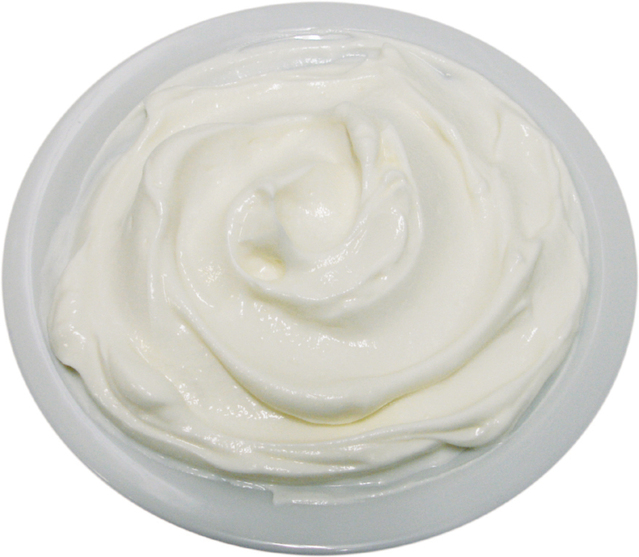
  • Homemade Coconut Yogourt:

One of my favourite dairy-free, probiotic-rich coconut yogourt recipes !
View recipe here: http://www.ishafoundation.org/us/blog/homemade-coconut-yogurt


If you want to know more about your Ayurvedic constitution and what kinds of foods are best for you, contact Dr. Leena Athparia, ND for more on naturopathic medicine & Ayurveda. To book an appointment, contact Naturopathic Foundations at 905-940-2727 (Markham) or Yuri's Village at 416-466-5773 (Danforth).  A complimentary 15 min meet n greet is available to learn more how Naturopathy and Ayurveda can help you.


Wednesday, 13 July 2016

Keep Cool this Summer - Ayurveda Tips


Do you look forward to summer, and then find yourself feeling irritable and exhausted once the temperatures rise? Does your skin breakout with the heat? Do you crave air conditioning and cool drinks? If so, your Pitta may be out of balance.

According to Ayurveda, of the three bio-energies (ie. doshas) that exist in nature (Vata, Pitta, Kapha), Pitta is highest in the summer as it holds the energy of fire and water.  Dosha bio-energies are composed of the 5 elements and not only exist in the environment, but also within you. If your constitution is dominant in Pitta, summer heat can further cause Pitta to accumulate – on the physical, mental and emotional levels.

Summer is the season of sun, heat, intensity and fire – a celebration after the cold winter months. Depending on your constitution, summer may either aggravate your innate tendencies or compensate for your imbalances.  For example, if you struggle with cold hands and feet in the winters, you will likely enjoy warm summer temperatures.  If your body generally heats up quickly, you may find it challenging to tolerate summer heat.


How Do I Identify if my Pitta is imbalanced?

You need to first understand your original constitution before understanding what is out of balance. Everyone is born with a unique constitution and needs individualized care to regain their original state of balance.  Online dosha quizzes can be a fun tool. However, they do not reveal the complete picture of your constitution.  A Naturopathic intake incorporating Ayurvedic assessment includes physical exam (including tongue & pulse diagnosis) and complete health history to identify your balance of Vata, Pitta & Kapha. Furthermore, skilled practitioners can identify which organ system or tissue is being impacted by Pitta.  For example, if Pitta accumulates in the mind, you may feel more angry or short-tempered, but if Pitta has increases in the blood, you may experience high blood pressure. Once a proper diagnosis has been made, tailored treatments can target the root cause of your health concern and assist in restoring balance.

Pitta can accumulate in the mind, specific organ systems, channels or tissues and can manifest as health concerns such as:

What Can You Do?

While increased Pitta is not life-threatening, if left unattended, chronic disease can develop over time. For example, if you consistently eat spicy and acidic food (which increases Pitta), occasional heart burn may develop into daily heartburn and progress into a painful ulcer. The good news is that Pitta imbalance is easy to detect in the early stages with tongue & pulse diagnosis, and can be addressed with diet & lifestyle, herbs and therapies.  Summer is the ideal time to address Pitta-related imbalances before they develop into more severe conditions.

During the summer months, your focus should be to balance Pitta. Below are some general tips that can help keep your Pitta in check.

Tips to Stay Cool this Summer and Pacify Pitta:
  • Choose foods that are cooling energetically such as: cucumbers, dark leafy greens, mint and melons.
  • Choose flavours that are bitter, astringent & naturally sweet – fresh local greens make great salads and ripe, juicy fruits make a delicious summer snack.  Minimize flavours that are excessively spicy, sour and salty.
  • Try incorporating coconut into your diet (coconut water, oil, cream etc.)
  • Stay hydrated & avoid ice cold drinks. As counter-intuitive as it may seem, cold drinks are not advised to help you cool down.
  • Avoid overexerting yourself and plan your exercise away from the hottest time of the day
  • Be sun smart and stay out of direct sun during peak hours (~11 a.m. - 3 p.m.)
  • Observe situations where you are controlling or pushing yourself or others.  Bring awareness into surrendering and allowing.
  • Enjoy essential oils with floral tones such as jasmine, rose or lavender.

If you think you may have a Pitta imbalance, summer is the best time to address it. Once you understand your unique constitution, steps can be taken to harmonize yourself with the changing seasons under the guidance of your naturopathic doctor and Ayurvedic practitioner.  Making simple but consistent changes to your lifestyle and diet, in correlation with the change of seasons will allow you to experience your full energy and vitality this summer.


Dr. Leena Athparia is a naturopathic doctor with specialized training in Ayurveda and can help you identify your constitution to guide you on a customized health plan – whether you have specific health concerns or just want to promote general wellness. Please contact Naturopathic Foundations at 905-940-2727 or email lathparia@naturopathicfoundations.ca to book an appointment with Dr. Leena Athparia ND.


Sunday, 19 June 2016

Yoga & Diet

By Dr. Leena Athparia, ND

In Celebration of International Yoga Day and all those looking to integrate yoga & healthy diet into their life !


The word ‘Yoga’ means ‘Union’ – that is, being in harmony within and with everything around.  The food that you eat contributes significantly to your overall wellbeing and harmony within yourself. In today’s world, people are left confused as to what to eat with the overwhelming information about various diets.  For different kinds of activity you need different kinds of food. If you are practicing yoga, it is important to choose food that meets your nutritional needs and supports your sadhana, or spiritual practices.  Food is more than just a supply of fuel for the physical body – it also influences the way you think, feel and experience life.

A diet that is conducive for yoga is essentially a vegetarian diet rich in fruits, vegetables, whole grains and healthy oils. Vegetarian food, especially raw food, is rich in prana, (life-force) which increases alertness.  Fresh vegetarian food is high in nutrients and enzymes which assist digestion. Choosing food that increases your vitality and alertness can further support your body and mind for yoga, allowing you to go beyond survival and increase your perception. 

According to Ayurveda, the sister science of yoga, foods with a sattvic quality are recommended to nourish the body while promoting a calm, clear and steady state of mind.  Sattvic foods include vegetables, fruits, legumes, whole grains, plant-based oils & ghee (clarified butter), and herbs/spices.  These foods are ideally local, organic, in season and prepared fresh with a loving intention.  In contrast, foods that are tamasic in quality are heavy to digest.  These include: onions, garlic, meat, alcohol, leftovers & fermented foods.   They promote dullness and stiffness in the body and sedate the mind.  Foods that are rajasic have a stimulating quality and promote agitation. These foods include: caffeine, stimulants, refined sugar, excessively spicy, sour or salty foods. By avoiding tamasic, and reducing rajasic foods in the diet and encouraging a sattvic diet, you can help keep the mind clear, and the body light and flexible. Sattvic diet nurtures you on a subtler level, and promotes higher levels of consciousness.


Which diet is best for you and your activity can be further customized based on your individual constitution and the season under the guidance of an Ayurvedic practitioner or naturopathic doctor. If you choose to eat in alignment with the intelligence of your body, food can be a phenomenal support for you and your yoga practice. 

A sattvic vegetarian diet, along with yoga practices such as pranayama, hatha yoga and kriyas can pave the way for a healthy body, vibrant energy, and higher consciousness.


Sadhguru, yogi & mystic elaborates on eating what is best for the body from a yogic perspective

Dr. Leena Athparia, ND has a special interest in working with customizing Ayurvedic diet & lifestyle suggestions for individuals, especially those practicing yoga who want to further improve their  health.  To book an appointment, contact Naturopathic Foundations at 905-940-2727 (Markham) or Yuri's Village at 416-466-5773 (Danforth).  A complimentary 15 min meet n greet is available to learn more how Naturopathy and Ayurveda can help you.