Dr. Leena Sripada, ND

Dr. Leena Sripada, ND
Naturopathic & Ayurvedic Doctor

Wednesday, 13 July 2016

Keep Cool this Summer - Ayurveda Tips


Do you look forward to summer, and then find yourself feeling irritable and exhausted once the temperatures rise? Does your skin breakout with the heat? Do you crave air conditioning and cool drinks? If so, your Pitta may be out of balance.

According to Ayurveda, of the three bio-energies (ie. doshas) that exist in nature (Vata, Pitta, Kapha), Pitta is highest in the summer as it holds the energy of fire and water.  Dosha bio-energies are composed of the 5 elements and not only exist in the environment, but also within you. If your constitution is dominant in Pitta, summer heat can further cause Pitta to accumulate – on the physical, mental and emotional levels.

Summer is the season of sun, heat, intensity and fire – a celebration after the cold winter months. Depending on your constitution, summer may either aggravate your innate tendencies or compensate for your imbalances.  For example, if you struggle with cold hands and feet in the winters, you will likely enjoy warm summer temperatures.  If your body generally heats up quickly, you may find it challenging to tolerate summer heat.


How Do I Identify if my Pitta is imbalanced?

You need to first understand your original constitution before understanding what is out of balance. Everyone is born with a unique constitution and needs individualized care to regain their original state of balance.  Online dosha quizzes can be a fun tool. However, they do not reveal the complete picture of your constitution.  A Naturopathic intake incorporating Ayurvedic assessment includes physical exam (including tongue & pulse diagnosis) and complete health history to identify your balance of Vata, Pitta & Kapha. Furthermore, skilled practitioners can identify which organ system or tissue is being impacted by Pitta.  For example, if Pitta accumulates in the mind, you may feel more angry or short-tempered, but if Pitta has increases in the blood, you may experience high blood pressure. Once a proper diagnosis has been made, tailored treatments can target the root cause of your health concern and assist in restoring balance.

Pitta can accumulate in the mind, specific organ systems, channels or tissues and can manifest as health concerns such as:

What Can You Do?

While increased Pitta is not life-threatening, if left unattended, chronic disease can develop over time. For example, if you consistently eat spicy and acidic food (which increases Pitta), occasional heart burn may develop into daily heartburn and progress into a painful ulcer. The good news is that Pitta imbalance is easy to detect in the early stages with tongue & pulse diagnosis, and can be addressed with diet & lifestyle, herbs and therapies.  Summer is the ideal time to address Pitta-related imbalances before they develop into more severe conditions.

During the summer months, your focus should be to balance Pitta. Below are some general tips that can help keep your Pitta in check.

Tips to Stay Cool this Summer and Pacify Pitta:
  • Choose foods that are cooling energetically such as: cucumbers, dark leafy greens, mint and melons.
  • Choose flavours that are bitter, astringent & naturally sweet – fresh local greens make great salads and ripe, juicy fruits make a delicious summer snack.  Minimize flavours that are excessively spicy, sour and salty.
  • Try incorporating coconut into your diet (coconut water, oil, cream etc.)
  • Stay hydrated & avoid ice cold drinks. As counter-intuitive as it may seem, cold drinks are not advised to help you cool down.
  • Avoid overexerting yourself and plan your exercise away from the hottest time of the day
  • Be sun smart and stay out of direct sun during peak hours (~11 a.m. - 3 p.m.)
  • Observe situations where you are controlling or pushing yourself or others.  Bring awareness into surrendering and allowing.
  • Enjoy essential oils with floral tones such as jasmine, rose or lavender.

If you think you may have a Pitta imbalance, summer is the best time to address it. Once you understand your unique constitution, steps can be taken to harmonize yourself with the changing seasons under the guidance of your naturopathic doctor and Ayurvedic practitioner.  Making simple but consistent changes to your lifestyle and diet, in correlation with the change of seasons will allow you to experience your full energy and vitality this summer.


Dr. Leena Athparia is a naturopathic doctor with specialized training in Ayurveda and can help you identify your constitution to guide you on a customized health plan – whether you have specific health concerns or just want to promote general wellness. Please contact Naturopathic Foundations at 905-940-2727 or email lathparia@naturopathicfoundations.ca to book an appointment with Dr. Leena Athparia ND.


Sunday, 19 June 2016

Yoga & Diet

By Dr. Leena Athparia, ND

In Celebration of International Yoga Day and all those looking to integrate yoga & healthy diet into their life !


The word ‘Yoga’ means ‘Union’ – that is, being in harmony within and with everything around.  The food that you eat contributes significantly to your overall wellbeing and harmony within yourself. In today’s world, people are left confused as to what to eat with the overwhelming information about various diets.  For different kinds of activity you need different kinds of food. If you are practicing yoga, it is important to choose food that meets your nutritional needs and supports your sadhana, or spiritual practices.  Food is more than just a supply of fuel for the physical body – it also influences the way you think, feel and experience life.

A diet that is conducive for yoga is essentially a vegetarian diet rich in fruits, vegetables, whole grains and healthy oils. Vegetarian food, especially raw food, is rich in prana, (life-force) which increases alertness.  Fresh vegetarian food is high in nutrients and enzymes which assist digestion. Choosing food that increases your vitality and alertness can further support your body and mind for yoga, allowing you to go beyond survival and increase your perception. 

According to Ayurveda, the sister science of yoga, foods with a sattvic quality are recommended to nourish the body while promoting a calm, clear and steady state of mind.  Sattvic foods include vegetables, fruits, legumes, whole grains, plant-based oils & ghee (clarified butter), and herbs/spices.  These foods are ideally local, organic, in season and prepared fresh with a loving intention.  In contrast, foods that are tamasic in quality are heavy to digest.  These include: onions, garlic, meat, alcohol, leftovers & fermented foods.   They promote dullness and stiffness in the body and sedate the mind.  Foods that are rajasic have a stimulating quality and promote agitation. These foods include: caffeine, stimulants, refined sugar, excessively spicy, sour or salty foods. By avoiding tamasic, and reducing rajasic foods in the diet and encouraging a sattvic diet, you can help keep the mind clear, and the body light and flexible. Sattvic diet nurtures you on a subtler level, and promotes higher levels of consciousness.


Which diet is best for you and your activity can be further customized based on your individual constitution and the season under the guidance of an Ayurvedic practitioner or naturopathic doctor. If you choose to eat in alignment with the intelligence of your body, food can be a phenomenal support for you and your yoga practice. 

A sattvic vegetarian diet, along with yoga practices such as pranayama, hatha yoga and kriyas can pave the way for a healthy body, vibrant energy, and higher consciousness.


Sadhguru, yogi & mystic elaborates on eating what is best for the body from a yogic perspective

Dr. Leena Athparia, ND has a special interest in working with customizing Ayurvedic diet & lifestyle suggestions for individuals, especially those practicing yoga who want to further improve their  health.  To book an appointment, contact Naturopathic Foundations at 905-940-2727 (Markham) or Yuri's Village at 416-466-5773 (Danforth).  A complimentary 15 min meet n greet is available to learn more how Naturopathy and Ayurveda can help you.

Wednesday, 8 June 2016

Treating YOU, not your condition


By Dr. Leena Athparia, ND


As a naturopathic doctor, I am constantly approached with people asking questions about their health.  There is increased interest in healthy living and people are trying to take their health into their own hands now. However, sometimes you need proper guidance for what is best for YOU.


Questions such as: 
I have arthritis - what can I take?  
Dr. OZ was talking about Garcinia, can I take it for my weight?
I have a cold - How much Vitamin C should I take?
I heard turmeric is good for you - can I put it in my smoothies?
Which B vitamins should I take for my stress?

It is wonderful to see that people are shifting their perspective and wanting to try natural options, rather than jumping to pharmaceuticals.  However, as a naturopathic doctor, even though we use natural therapies, we always want to address the person - not just treat their condition. We want to understand the root of the cause, how & why the condition is manifesting as it is.

For example, there are numerous herbs & supplements which have been beneficial for arthritis such as: turmeric, fish oil, glucosamine, collagen etc. In someone who has arthritis, there are many ways that the arthritis has developed and numerous contributing factors.  In one individual, there could be wear & tear of the joints from overuse. In another person, it could be due to a Vata dosha imbalance (according to Ayurveda) which leads to dryness in the joints. Arthritis could also have an autoimmune component where the body's own cells are attacking the joint area, or the arthritis could be due to a "leaky gut" where undigested food particles travel and deposit in the joint.

All these manifestations may be labelled as "arthritis", however the root cause could be entirely different. In one person, addressing weakened digestion due to eating on-the-go may be the root cause, and in another individual, constant jogging without proper self-care may be the root cause. Based on the causal factor, treatment will need to be customized for each person. Treatment for that person, and not just the condition. 

Conditions come up for many different reasons - some of which are purely physical, and many of which have a mental/emotional component.  When we look at the eastern systems of medicine such as Traditional Chinese Medicine or Ayurveda, the concept of balance is prevalent. We look at elements and qualities that are dominant in your constitution and give suggestions to balance them.  

An example that might be easier to relate to is the concept of "heating" and "cooling" found in TCM, Ayurveda and other eastern systems of healing. Some individuals have a constitution where they always feel cold and some always feel warm, or they may also have a specific health condition which is more "heating" such as fevers, or hot flashes for example.  To help address this, certain foods, lifestyle & herb recommendations that have the opposite quality will be made to help restore balance.  

With the advent of Google, it is very easy to search for "natural remedies for.......such and such condition" and find an abundance of suggestions instantly.  However, this is not necessarily the safest or most effective way, and some individuals may be causing harm by self-prescribing products over long term. For each individual, food, herbs or natural therapies can be customized by time of administration, duration (do you take it for 1 week? 3 months?), or frequency.  Considerations are made about other medications or natural medicines you are on.  Just because something is "natural", doesn't mean that it is always safe for you, or that you can take it long term.  

So when I hear someone ask causally "what should I take for my arthritis?", I usually answer "well, it depends what is causing it." "Yes I know, but what is good to take - fish oil, turmeric? My friend took fish oil capsules that his naturopath gave and it helped him. You're a doctor, you should know what's good for arthritis". "Yes, there are many things, but it depends on the cause."

We are used to quick fix solutions and want fast results. Or we see that something works for a friend and they suggest it to us to try. Conventional medicine can often provide faster relief, however, if you want to try a natural approach with results that last, it is important to treat the root cause, and not just the condition. This is one of the 6 foundational principles of Naturopathic Medicine.

Below are the 6 principles of Naturopathic Medicine which guide naturopathic doctors:
  •          FIRST DO NO HARM (PRIMUM NON NOCERE)
  •      THE HEALING POWER OF NATURE (VIS MEDICATRIX NATURAE)
  •          IDENTIFY AND TREAT THE CAUSES (TOLLE CAUSAM)
  •         TREAT THE WHOLE PERSON (TOLLE TOTUM)
  •         DOCTOR AS TEACHER (DOCERE)
  •         PREVENTION (PRAEVENIRE)

If you have health concerns or if you are interested in prevention, find a naturopathic doctor or practitioner that is willing to work with you to help diagnose your condition, treat the root cause, help you regain balance and restore balance.


If you are interested in a naturopathic and ayurvedic assessment with Dr. Leena Athparia, ND contact Naturopathic Foundations at 905-940-2727 (Markham) or Yuri's Village at 416-466-5773 (Danforth).  A complimentary 15 min meet n greet is available to learn more how Naturopathy and Ayurveda can help you.

Friday, 29 April 2016

Oral Health - Turmeric Salt Gargle


Does an apple a day keep the dentist away? If only it were that easy to maintain oral health. Brushing, flossing & eating healthy are important steps to preventing cavities, gum disease and other conditions that affect the mouth, teeth and gums. Yet, in today’s world, maintaining optimum oral health is becoming more challenging despite daily oral hygiene.


The mouth is, quite literally, the opening to the entire digestive tract. What you put into your mouth, chew and swallow is what will be passed through the metres of digestive tract – through the esophagus, stomach, small & large intestines and to the rectum. A healthy oral cavity sets the environment for a healthy digestive tract, which in turn is linked to all the systems in the body.


Click here to read the full article about Oral Health - 5 Common concerns


Ayurveda has placed a lot of importance on oral health and highlights the significance of dinacharya, or daily routine, related to oral health care. Brushing the teeth, scraping the tongue, gargling and swishing with oil or natural mouth washes are all part of daily oral hygiene. (Read more here about: Tongue cleaning)


The mouth is the primary location of bodhaka kapha - one of the subtypes of kapha. When bodhaka kapha is imbalanced, our oral health may get compromised as have repercussions in other bodily systems, so it is important to maintain a healthy mouth. Especially if you have a tendency towards kapha imbalances, the oral cavity and respiratory tract needs extra care.


In the spring, when the weather is warming up but the air is still crisp, and allergy season is budding, it is crucial to take care of oral hygiene as well as the respiratory passage. Below is a simple home-made mouthwash recipe you can make:

Turmeric Salt Water Gargle


This mouth wash recipe is great to prevent sore throats & infections, help kills germs and reduce excess mucous in the mouth. Turmeric & salt have natural antimicrobial properties.
1 c. water
1/2 tsp turmeric powder
1/2 salt
(natural sea salt, himalayan or mineral salt)
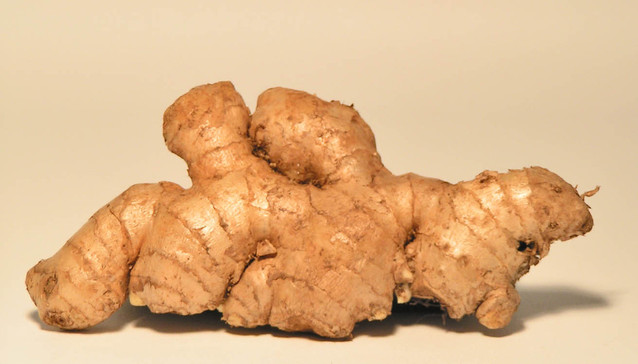
Herbs such as ginger or triphala can be added if advised by your ayurvedic practitioner.


Boil the mixture briefly and let it cool down. Gargle and swish with the mixture morning and evening during change of seasons for prevention.

If you have specific health concerns, it is always best to seek guidance of practitioner to address your concerns and customize treatments. Mouthwash can even be customized based on the person's constitution (Vata, Pitta, Kapha) and their symptoms.  A persistent sore throat that is not improving should be checked by a Doctor.


To learn more about oral health, join Dr. Leena Athparia's workshop - Oral Health. If you are interested in a naturopathic and ayurvedic assessment related to oral health or other concerns with Dr. Leena Athparia, ND contact Naturopathic Foundations at 905-940-2727 (Markham) or Yuri's Village at 416-466-5773 (Danforth).  A complimentary 15 min meet n greet is available to learn more how Naturopathy and Ayurveda can help you.

Friday, 25 March 2016

Hot Chocolate - for your dosha type!

With the holiday season and frosty winter months, chocolate treats are a favourite...so why not try a healthier hot chocolate option suited to your body type?

According to Ayurveda, diet & lifestyle choices need to be in line with your dosha type - Vata, Pitta, Kapha.  When you eat according to your constitution and live in tune with the seasons, it is easier to find balance, and divert breeding health issues.

Hot chocolate is an all-time favourite for adults & kids alike.  Try customizing this warm comforting drink according to your dosha type.  If you're not sure what your dosha type is, there are various online quizzes such as: www.banyanbotanicals.com/info/prakriti-quiz/

Of course it is best to have a thorough assessment with an Ayurvedic practitioner to understand the subtleties of your dosha type - your current state (vikruti), your original constitution (prakruti) and everything in between.  You may be born as a Kapha type, but be manifesting Vata dosha currently. Or you may be a Vata-Pitta type manifesting strong Pitta symptoms for example.

You can still enjoy hot chocolate without knowing your dosha type, however understanding your dosha will allow you to customize it just the way your body likes ! Try the recipes below and tell us what you think:

Hot Chocolate - Basic Recipe

  • 1/3 c. water + 2/3 c. organic milk (or almond, coconut, rice, cashew, soy milk etc.)
  • 1 Tbsp organic cacao powder
  • 1/2 tsp vanilla extract or scrape of vanilla bean (optional)
  • organic cane sugar, honey, maple syrup to taste
Bring the water and milk to a boil, and add the cacao powder and simmer until well mixed. Turn off the heat and add sweetener.  Make variations according to your ayurvedic dosha type.


Hot Chocolate - Vata variations

Vata individuals do well with warmth, a little spice and healthy oils. They generally tolerate dairy well, unless there is a dairy sensitivity in which case almond milk is a great option.  Since they generally have sensitive nervous systems and may not tolerate caffeine, carob powder can replace cacao.
  • Basic hot chocolate recipe (milk or almond milk)
  • 1/2 tsp ghee (optional)
  • Sprinkle of nutmeg, or cinnamon or clove (warming spices)
  • Dash of cardamom (supports digestion)
  • Whip cream (optional)
  • Sweetener: honey

Hot Chocolate - Pitta variations

Pitta individuals tend to have too much heat in their system and don't do well with excessive heating spice. They need options that are cooling (not necessarily in temperature, but in quality of foods). Mint and coconut are two variations that are cooling and blend well with hot chocolate.
  • Basic hot chocolate recipe (milk, almond or coconut milk)
  • 1/2 tsp dried mint leaves  (boil in the basic recipe and strain)
  • 1/2 tsp of coconut oil (optional)
  • Sweetener: maple syrup

Hot Chocolate - Kapha variations


Kapha types do not tolerate dairy well as it leads to increased congestion. They do well with warming food and drinks, including spices. Sweets should be limited - honey is a suitable sweetener as it has warming properties. Kaphas should avoid dairy or sweets during the Kapha time of the day (6am-10pm and 6pm-10pm).
  • Basic hot chocolate recipe (alternate milk or smaller proportion of milk to water)
  • A pinch of cinnamon or clove powder to warm Kapha
  • A pinch of ginger powder (optional)
  • Sweetener: honey

If you have any other suggestions of hot chocolate variations, please write your comments below !


To learn more about Dr. Leena Athparia, ND contact Naturopathic Foundations at 905-940-2727 (Markham) or Yuri's Village at 416-466-5773 (Danforth).  A complimentary 15 min meet n greet is available to learn more how Naturopathy and Ayurveda can help you.