
Dr. Leena Sripada, ND

Dr. Leena Sripada, ND
Naturopathic & Ayurvedic Doctor

Friday, 29 April 2016

Oral Health - Turmeric Salt Gargle


Does an apple a day keep the dentist away? If only it were that easy to maintain oral health. Brushing, flossing & eating healthy are important steps to preventing cavities, gum disease and other conditions that affect the mouth, teeth and gums. Yet, in today’s world, maintaining optimum oral health is becoming more challenging despite daily oral hygiene.


The mouth is, quite literally, the opening to the entire digestive tract. What you put into your mouth, chew and swallow is what will be passed through the metres of digestive tract – through the esophagus, stomach, small & large intestines and to the rectum. A healthy oral cavity sets the environment for a healthy digestive tract, which in turn is linked to all the systems in the body.


Click here to read the full article about Oral Health - 5 Common concerns


Ayurveda has placed a lot of importance on oral health and highlights the significance of dinacharya, or daily routine, related to oral health care. Brushing the teeth, scraping the tongue, gargling and swishing with oil or natural mouth washes are all part of daily oral hygiene. (Read more here about: Tongue cleaning)


The mouth is the primary location of bodhaka kapha - one of the subtypes of kapha. When bodhaka kapha is imbalanced, our oral health may get compromised as have repercussions in other bodily systems, so it is important to maintain a healthy mouth. Especially if you have a tendency towards kapha imbalances, the oral cavity and respiratory tract needs extra care.


In the spring, when the weather is warming up but the air is still crisp, and allergy season is budding, it is crucial to take care of oral hygiene as well as the respiratory passage. Below is a simple home-made mouthwash recipe you can make:

Turmeric Salt Water Gargle


This mouth wash recipe is great to prevent sore throats & infections, help kills germs and reduce excess mucous in the mouth. Turmeric & salt have natural antimicrobial properties.
1 c. water
1/2 tsp turmeric powder
1/2 salt
(natural sea salt, himalayan or mineral salt)
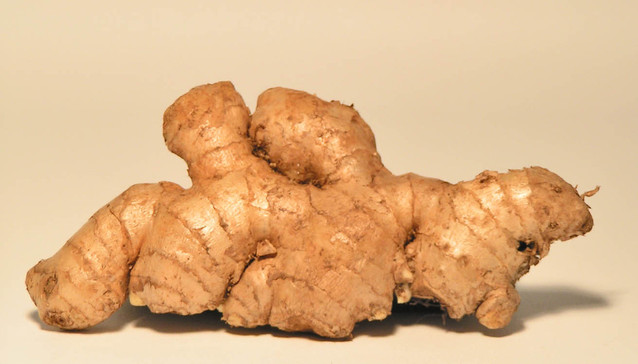
Herbs such as ginger or triphala can be added if advised by your ayurvedic practitioner.


Boil the mixture briefly and let it cool down. Gargle and swish with the mixture morning and evening during change of seasons for prevention.

If you have specific health concerns, it is always best to seek guidance of practitioner to address your concerns and customize treatments. Mouthwash can even be customized based on the person's constitution (Vata, Pitta, Kapha) and their symptoms.  A persistent sore throat that is not improving should be checked by a Doctor.


To learn more about oral health, join Dr. Leena Athparia's workshop - Oral Health. If you are interested in a naturopathic and ayurvedic assessment related to oral health or other concerns with Dr. Leena Athparia, ND contact Naturopathic Foundations at 905-940-2727 (Markham) or Yuri's Village at 416-466-5773 (Danforth).  A complimentary 15 min meet n greet is available to learn more how Naturopathy and Ayurveda can help you.

Friday, 25 March 2016

Hot Chocolate - for your dosha type!

With the holiday season and frosty winter months, chocolate treats are a favourite...so why not try a healthier hot chocolate option suited to your body type?

According to Ayurveda, diet & lifestyle choices need to be in line with your dosha type - Vata, Pitta, Kapha.  When you eat according to your constitution and live in tune with the seasons, it is easier to find balance, and divert breeding health issues.

Hot chocolate is an all-time favourite for adults & kids alike.  Try customizing this warm comforting drink according to your dosha type.  If you're not sure what your dosha type is, there are various online quizzes such as: www.banyanbotanicals.com/info/prakriti-quiz/

Of course it is best to have a thorough assessment with an Ayurvedic practitioner to understand the subtleties of your dosha type - your current state (vikruti), your original constitution (prakruti) and everything in between.  You may be born as a Kapha type, but be manifesting Vata dosha currently. Or you may be a Vata-Pitta type manifesting strong Pitta symptoms for example.

You can still enjoy hot chocolate without knowing your dosha type, however understanding your dosha will allow you to customize it just the way your body likes ! Try the recipes below and tell us what you think:

Hot Chocolate - Basic Recipe

  • 1/3 c. water + 2/3 c. organic milk (or almond, coconut, rice, cashew, soy milk etc.)
  • 1 Tbsp organic cacao powder
  • 1/2 tsp vanilla extract or scrape of vanilla bean (optional)
  • organic cane sugar, honey, maple syrup to taste
Bring the water and milk to a boil, and add the cacao powder and simmer until well mixed. Turn off the heat and add sweetener.  Make variations according to your ayurvedic dosha type.


Hot Chocolate - Vata variations

Vata individuals do well with warmth, a little spice and healthy oils. They generally tolerate dairy well, unless there is a dairy sensitivity in which case almond milk is a great option.  Since they generally have sensitive nervous systems and may not tolerate caffeine, carob powder can replace cacao.
  • Basic hot chocolate recipe (milk or almond milk)
  • 1/2 tsp ghee (optional)
  • Sprinkle of nutmeg, or cinnamon or clove (warming spices)
  • Dash of cardamom (supports digestion)
  • Whip cream (optional)
  • Sweetener: honey

Hot Chocolate - Pitta variations

Pitta individuals tend to have too much heat in their system and don't do well with excessive heating spice. They need options that are cooling (not necessarily in temperature, but in quality of foods). Mint and coconut are two variations that are cooling and blend well with hot chocolate.
  • Basic hot chocolate recipe (milk, almond or coconut milk)
  • 1/2 tsp dried mint leaves  (boil in the basic recipe and strain)
  • 1/2 tsp of coconut oil (optional)
  • Sweetener: maple syrup

Hot Chocolate - Kapha variations


Kapha types do not tolerate dairy well as it leads to increased congestion. They do well with warming food and drinks, including spices. Sweets should be limited - honey is a suitable sweetener as it has warming properties. Kaphas should avoid dairy or sweets during the Kapha time of the day (6am-10pm and 6pm-10pm).
  • Basic hot chocolate recipe (alternate milk or smaller proportion of milk to water)
  • A pinch of cinnamon or clove powder to warm Kapha
  • A pinch of ginger powder (optional)
  • Sweetener: honey

If you have any other suggestions of hot chocolate variations, please write your comments below !


To learn more about Dr. Leena Athparia, ND contact Naturopathic Foundations at 905-940-2727 (Markham) or Yuri's Village at 416-466-5773 (Danforth).  A complimentary 15 min meet n greet is available to learn more how Naturopathy and Ayurveda can help you.

Friday, 11 March 2016

Do you have toxic "ama"?

Have you ever noticed that thick white coating on your tongue when you wake up?


According to Ayurveda, that coating is one of the many symptoms considered as ama - internal toxins.  Ama results from undigested and unabsorbed food that accumulates in the digestive tract, turning into a sticky substance with unpleasant odour. It is waste material that is neither excreted nor used by the body. Small amounts of ama are normal in the digestive tract - it becomes a concern when ama is not eliminated efficiently, building up in the system and spreading deeper into the tissues.


Symptoms of ama include:

  • tongue coating (can be different colours depending if Vata, Pitta, Kapha are imbalanced)
  • bad breath
  • body odour
  • congestion
  • flatulence
  • excess weight
  • joint stiffness
  • loss of appetite
  • lethargy
  • mental fogginess
  • depression
  • dull or heavy pulse
  • and more
When ama accumulates in the body over time, it can become a breeding ground for colds, flu, chronic diseases and cancer. It is important to clear out am on a regular basis to maintain health.  There are many methods to support detoxification and clearing of am.  Which method depends on your constitution and requires assessment and customized treatment by your ayurvedic practitioner or naturopathic doctor.


Some tips to detoxify ama include:

  • Tongue cleaning
  • Proper food combining & diet for your constitution
  • Avoid overeating, excessive snacking or eating when upset
  • Herbal teas with spices such as cumin, ginger, coriander or herbs such as triphala
  • Sweating (saunas & exercise)
  • Meditation & yoga
  • Restful sleep
  • Abhyanga massage
Spring is the perfect time for detox though timings can be fine tuned for your constitution. Kapha types respond well to cleanses in early spring whereas Vata types respond better to cleanses in the later spring when the weather has warmed up or in the fall. When blood cleansing is needed for Pitta types, late summer is the ideal to detox excess Pitta in the blood before fall.

There is a lot of hype about detox these days.  How often to do you hear your friends talking about doing a detox or detoxing to lose weight? How often do you see ads of products for "liver detox"?  In spring, (or after holidays of indulgent eating) many people go to the health food store to pick up "detox kits".  Though these kits contain herbs & products that may contain herbs that detoxify the liver and other organs, you want to make sure you are doing the right kind of detox that you need. A liver detox in someone who has constipation will not be as effective as the toxins are not being eliminated properly.  A detox with laxatives could aggravate you if you have a sensitive digestive tract. If you are on medications, liver detoxification using herbs could impact the dose and effectiveness therefore, a detox with food or saunas may be advised.

According to ayurveda, toxic ama must be detoxified by making changes to our diet, lifestyle and supporting our channels of elimination (sweat, urination & defecation). The amount of ama increases as agni decreases.  Agni is a concept in Ayurveda which literally means "fire" and can be considered as the vitality of the body. When agni is balanced, am can easily be eliminated. When doing detoxifying, balancing the agni is central to detoxification according to ayurveda. Everyone has a different balance of am and agni, so determining what kind of detoxification for you with a qualified health practitioner is crucial for a healthy body & mind.

Tomorrow morning, as soon as you wake up, stick out your tongue in the mirror and observe. Notice if there is a coating at the back of the tongue - it may be grey, white or yellowish.  If you have that coating regularly, then you have am in your system, and it might be a time for a detox this spring!


If you have health concerns or would like to learn about what detoxification is suitable, you can book a consultation with Dr. Leena Athparia, ND or contact Naturopathic Foundations at 905-940-2727 (Markham) or Yuri's Village at 416-466-5773 (Danforth).  A complimentary 15 min meet n greet is available to learn more how Naturopathy and Ayurveda can help you.


Wednesday, 10 February 2016

Kapha - how to keep your energy up this winter

By Dr. Leena Athparia, ND


According to Ayurveda, there are 3 doshas, or bio-energies that make up your constitution: Vata, Pitta, Kapha.  Kapha is made up of the earth & water elements and is not only found in each individual, but also around us.  In the winter season, with the cold and snow, Kapha is at it's highest.

If your constitution is dominant in Kapha, winter may be the most challenging season.  When Kapha becomes imbalanced, tendencies such as sluggishness, laziness, fatigue, depression can set in.  You may find it difficult to get moving in the morning, or find it challenging to be motivated.  Weight gain, asthma or lung issues, sinus congestion can set in during the winter, particularly in Kapha individuals.

Do you relate to any of the qualities of Kapha?

  • Heavy
  • Slow
  • Solid
  • Cold
  • Soft 
  • Oily

However, kapha is not necessarily a bad thing.  Only when it becomes imbalanced, does it lead to issues in the body and mind.  Kapha individuals are often compassionate, loving and caring people who bring stability and commitment to those around them.  Maintaining balance is essential in feeling healthy and happy on a daily basis.

Kapha Management

Winter is the time when you need to play a close check on Kapha.  The good news is that if you take care of Kapha balancing, you can prevent the winter blues and minimize health concerns such as coughs and colds.

To balance the qualities of Kapha (listed above), Kapha management is centered around:

  • Warming
  • Drying 
  • Lightening

Tips for balancing Kapha 

  • Eat food with flavours that are pungent (spicy), bitter and astringent (these tastes are drying and lightening in nature)
  • Stay warm and avoid dampness
  • Schedule exercise daily - ideally early in the morning (this helps move Kapha)
  • Drink warm fluids, avoiding cold food. Try ginger tea.
  • Use warming spices such as : ginger, clove, cinnamon, marjoram, thyme
  • Favour light and dry foods over heavy foods such as dairy, cheese, red meat, deep fried food.
  • Dry dressing with bright colours (red, orange, yellow)
  • Get creative and motivated. Start a new project or a hobby.
  • Clear the space. Declutter by removing old stuff. Move furniture around for a fresh start.
  • Try garshana, or ayurvedic dry herb massage

If your constitution is dominant in Kapha, try making some changes this winter and you will notice more energy and vitality!  Kapha diet and lifestyle should be lively, full of energy and stimulation - this is the time to beat the winter blues, start exercising, wearing bright colours, adding spices to your food and staying warm.

Not sure if you're Kapha is unbalanced? 

There are quizzes you can do online to give a rough idea, however, it is always best to have a thorough assessment by a qualified practitioner to assess your current state of health (full intake, tongue and pulse assessment) and contributing factors to your health.  What you should eat, and when you should eat, along with daily routine suggestions can all be customized based on your unique constitution. Ayurvedic herbs and therapies such as nasya and massages can also support balancing you.


If you have health concerns or would like to understand your constitution to prevent developing health issues, you can book a consultation with Dr. Leena Athparia, ND or contact Naturopathic Foundations at 905-940-2727.  A complimentary 15 min meet n greet is available to learn more how Naturopathy and Ayurveda can help you.


Friday, 18 December 2015

Agni - the Digestive Fire

Keeping your agni balanced during the holiday season - by Dr. Leena Athparia, ND


Agni is considered as the "digestive fire" in Ayurveda.  From a physiological perspective, digestion is a complex multi-step process which breaks down food into smaller particles which are then absorbed, transported and incorporated into our bodies.

The ayurvedic concept of agni allows us to transform food into nutrients while burning off waste products.  As digestion is important, elimination of waste is equally crucial to stay healthy.  Agni refers to the principle of processing food, in addition to processing experiences, memories, emotions and sensory impressions.  We not only physically digest our food, but we need to "digest" and process our experiences on a daily basis.

Agni is the foundation to health. In an ayurvedic assessment, your state of agni is assessed and treated accordingly.  When agni is unbalanced, digestion weakens, toxins linger in the body, illness takes a hold and vitality diminishes.  Balanced agni is essential for well being !

According to Ayurveda, we are each born with a different constitution - our tendencies in our agni is based on our constitution, as well as environmental and lifestyle factors such as climate, daily routine and the food we eat.  During the holiday season, we may be shifted from our regular routines, and may be enjoying food in excess !  Below are the variations of agni and tips on how to help balance your agni: 

VISHAMA AGNI : irregular metabolism

Often associated with excess vata, vishama agni is erractic with digestive patterns that alternate between fast and slow.  This may be evident in conditions such as IBS, diarrhea, constipation (or alternating between the two), gas and rumbling in the abdomen.  Appetite may be irregular, and elimination may be erratic.

How to Balance Vishama agni:

  • Establish routine: regular meal times & avoid overeating in one sitting
  • A pinch of cumin and rock salt can be ground and chewed before meals 
  • Spices such as ginger and black pepper in the diet
  • Vata care if present in your constitution (Vata pacifying diet & lifestyle)
  • Regular abhyangas
  • Herbs such as Triphala (dose and timings should be customized by an ayurvedic practitioner)

MANDA AGNI: slow metabolism

Often associated with excess Kapha, manda agni indicates slow, sluggish digestion. Only small meals can be eaten, and undigested food sits in the stomach and intestines leading to heaviness in the body and mind.  There may be associated kapha conditions such frequent colds & coughs, mucous, congestion, swelling, lymph congestion, oversalivation, excess weight, cold clammy skin etc.  Thick white coat may be observed on the tongue first thing in the morning.


How to Balance Manda agni:

  • Tongue scraping in the morning
  • Practice yoga that is invigourating and rejuvenating (surya namaskar, hatha yoga)
  • Chew on fresh ginger before meals to stimulate agni
  • Use spices such as cinnamon, clove, fenugreek, ginger
  • Prepare food that is colourful, fresh, and pleasing to all the senses
  • Focus on 2-3 main meals a day: avoid snacking and make lunch the largest meal
  • Kapha care if present in your constitution (Kapha pacifying diet & lifestyle)

TIKSHNA AGNI: fast metabolism

Often associated with excess Pitta, tikshna agni is when digestion is too strong and fast.  Appetite may be insatiable, desiring large amounts of food which may pass too quickly through the digestive tract. Symptoms may include burning sensations, acid reflux, diarrhea, hot flashes, inflammation and low energy.

How to Balance Tikshna agni:

  • Follow a Pitta pacifying diet
  • Avoid pungent spices such as garlic, chilli and stimulants such as caffeine and alcohol
  • Incorporate cooling foods and spices such as cumin, fennel, coriander, mint, dill etc.
  • Drink lassi (buttermilk) after meals - customiz with spices suiting your constitution
  • Herbs such as amla, licorice and aloe juice can be beneficial for Pitta balancing
  • Meditation and rejuvenating yoga to balance and calm the system

SAMA AGNI: the balanced state

When agni is balanced, you can enjoy healthy digestion and a clear state of mind. Individuals with sama agni can digest a reasonable amount of food in any season and enjoy balanced digestion, absorption and assimilation of nutrients along with a strong immune system and happiness in their lives.  They are also able to process and handle new situations, experiences and emotions with strength and balance. Unfortunately in our modern lifestyle, sama agni is rare ; processed food, erratic & high-paced lives throw agni off balance very easily.  However the earlier an imbalance in agni is detected, the easier it is to correct with ayurvedic guidance. 

Agni is the key to health; it processes our food, emotions, and experiences.  The 4 varieties of agni are a tool to identify balanced agni from factors that are preventing optimal agni. It is important to understand that each individual will present with a unique set of symptoms and needs individualized approach to help balance agni.  With increased self-awareness and the guidance of an ayurvedic practitioner, you can help restore vitality this season. Yoga, meditation, time in nature, wholesome meals and balance between work and life, doing and relaxing as well as spending time with family and loved one can help keep agni strong over the holidays !


To learn more about agni and understand your constitution, you can book a naturopathic & ayurvedic consultation with Dr. Leena Athparia, ND or contact Naturopathic Foundations at 905-940-2727.