Dr. Leena Sripada, ND

Dr. Leena Sripada, ND
Naturopathic & Ayurvedic Doctor

Thursday, 22 February 2024

Fasting: Is it Right for You?

By Dr. Leena Sripada 


Does the thought of going off food for a few hours scare you? How about going off food for a day? 
While skipping meals may not be good for you, therapeutic fasting under guidance can have many health benefits. In a world where we are inundated with information on what foods to eat, sometimes taking a short break from food can reset the digestive system and metabolism to process your nutrition more efficiently.

While intermittent fasting is a newer trend that you may have heard of, fasting is not a new concept. If you look at most of the major traditions in the world, fasting was observed in many of the religious and spiritual times of the year: Lent for Christians, Ramadan for Muslims, Passover for Jews, Ekadasi and Shivratri for Hindus. Fasting was often aligned to the natural cleansing periods of the solar and lunar calendars. Spring is one of those significant periods where food is naturally scarce and we can burn up the excess fat stores after winter.

Fasting essentially means abstaining from food for a period of time, but the actual practice of fasting may vary from completely avoiding food and water to taking lighter foods or juices such vegetable broths, coconut water or fruit juices.

What are the different types of fasting?

We will explore common types of fasting and their therapeutic benefits. Speak to your ND before you start any of these fasts for more than one day so they can guide you on the safest and most effective method for you.
  • Water fasting: this is the most stringent type of fasting where you avoid food and beverages completely other than water. This should only be done under guidance by a health professional and avoided in individuals with blood sugar imbalance. Individuals with a Kapha constitution often respond well to this type of fasting, but you should only do it for a short period of time.
  • Juice or broth fasting: this fasting involves avoidance of solid food and includes drinking only light beverages that are either fresh pressed fruit or vegetables, herbal teas or cooked broths. These liquids provide nutrition that can be absorbed by the body without taxing the digestive system.  Kapha body types do better with vegetable juices with bitter, astringent and pungent tastes like leafy greens and ginger and Pitta types respond well to fresh, cooling juices such as cucumber, celery or watermelon. This type of fasting may be difficult for vatas, but may be done for a short period of time.
  • Mono diet: this fasting doesn't mean you avoid food altogether; you choose specific healthy foods that are simple and easy to digest. Choosing the same combination of food over a period of days allows the body basic nutrition without taxing the digestive system. A typical example is an Ayurvedic kitchari fast where you eat a porridge for each meal of the day and typically is vegetable based and free of common allergens such as wheat, dairy and eggs. Or you may eat only steamed vegetables in a mono diet. This type of 'fasting' is suitable for vata body types.
  • Intermittent fasting: this method has recently gained popularity and involves eating food during specific times of the day and avoiding food for 16 hours or more. For example, you would skip breakfast and eat lunch & dinner between 1pm - 8pm and avoid food after that. Another method may involve eating a brunch at 10pm, giving a break and eating dinner at 6pm.


What are the benefits of fasting?

Rest is an essential part of healing, and there's no exception for the digestive system. During evolution, humans would alternate between periods of abundant food to scarcity and it would be common to go through days with little food. Fasting activates a process called 'autophagy' where cells break down cell components and damaged structures and use them for energy. This is an essential process of renewal which increases longevity. This process is triggered by around 12-24 hours of fasting. There is a lot of growing research in this field of the benefits of autophagy. When you take a break from eating, initially you may feel weak, but once you pass a certain point, the body kicks start another process to generate fuel.

Some of the benefits you may experience with therapeutic fasting:


Who can benefit from fasting?


If you have never fasted before, it is important that you start slowly and work with your ND to make a plan based on your body type and health concerns. If you have blood sugar imbalances (diabetes, pre-diabetes or adrenal insufficiency due to stress) fasting may be less advisable for you, though fasting is recommended for some individuals to reduce insulin resistance. Those with a Vata constitution do not do as well avoiding food. Cleansing for this type may include doing a mono-diet (eating the same foods over a period of days or weeks) such as a kitcharicleanse in Ayurveda. Pitta types and Kapha types generally experience many benefits from fasting. For these types, doing a warm herbal tea in the morning and fasting until lunch can support the body in detoxification.

Some ways fasting can be incoporated into your routine:
1. Start with a 1 day fast either with water only, coconut water or vegetable juice.
2. Eat a moderate breakfast, substantial lunch and skip dinner.
3. Try a regular 16+ hour fast. Have dinner by 6pm and breakfast or brunch after 10am.

It is always recommended to work with your ND on ways that fasting can be incorporated safely for your body type and lifestyle. Always drink water while fasting. Incorporating therapeutic fasting into your daily routine will allow your digestive system to rest and your body to go into cleaning mode. When your body has a chance to clean up, you will burn your fuel better, feel lighter and absorb your nutrients more efficiently.

    Dr. Leena Sripada is a Naturopathic doctor & Ayurvedic practitioner with a focus on digestive health, joint pain and chronic disease. If you are healthy and looking into preventing disease or learning more about your constitution, visit the website for more info: www.doctorleena.ca

    Sunday, 3 December 2023

    Tips for Healthy Travelling

    By Dr. Leena Sripada, ND  


    Are you travelling this winter? Learn more on how to stay healthy, naturally for family-friendly travel.

    Increased accessibility to global travel offers the luxury of escaping the cold weather and heading to warmer climates to relax, enjoy the warmth of the sun and enjoy new experiences abroad.  Travelling is an opportunity to take time for yourself, spend time with family and friends, immerse yourself in cultural activities and new adventures to break the regular mundane routine. Depending on the purpose, location and duration of your trip, your travel may range from being hectic to relaxing, low risk to high risk, and overstimulating to rejuvenating.  Being adequately prepared for travel ensures a more enjoyable and healthy trip.

    Travelling can be exciting. However, it may expose you to new situations and environments which may pose additional health risks. How prepared you need to be depends on whether you are planning a short family vacation to Mexico, or a longer solo trip to volunteer abroad, or a business trip to Asia. Based on your previous experiences, you may need more extensive preparation if travel triggers unwanted symptoms. Included below are a number of tips which may be beneficial to help you prepare for your travel.

    Seeking naturopathic advice can help address specific health concerns such as: jet lag, travel anxiety, indigestion, diarrhea, constipation, insect-borne illnesses, infections, parasites, cuts, burns and altitude sickness.  The tools that a naturopathic doctor has access to can support prevention (prophylaxis), diagnose and treat travel-related illnesses.  Sleeping patterns and food habits may shift drastically on a trip. By supporting the body, the chances of travel-related illness may be reduced. In addition, supporting mental and emotional health in unfamiliar environments is critical to well-being.

    Every individual is unique with inherent strengths or weaknesses. Depending on your constitution, certain organs or body systems may be more susceptible to illness.  For example, individuals with weak immune systems may become more vulnerable to respiratory tract infections; individuals with circulation issues may experience swollen feet and ankles after a flight; individuals with anxiety may experience panic attacks triggered by the stress of travel. A naturopathic doctor can help you identify and treat aspects of your health which require strengthening, as well as treat illnesses contracted during a trip.

    Naturopathic medicine can prevent and treat the following travel-related concerns: 

    • Jet lag: shifting from one time zone to the other can have a significant impact on the body's circadian rhythms which regulate our sleep/wake cycle.  Melatonin is a natural hormone that is made by the body which helps us sleep.  When changing time zones, melatonin production may take a while to readjust, leading to symptoms commonly associated with jet lag.  For individuals struggling with jet lag, natural melatonin supplements or nervine herbs can help your body readjust more quickly to the local time zone.  Sunlight exposure also helps us reset our circadian rhythms and reduces the effects of jet lag.
    • Infections:  coldflu, and parasite exposure multiplies when travelling. Coupled with a weakened immune system, travellers become more vulnerable to illness.  With naturopathic medicine, you can keep the terrain strong to prevent microorganisms from thriving.  When the environment is unfavourable, parasites are less likely to thrive.  If you do contract parasites, proper diagnosis and treatment options can be provided by your naturopathic doctor. Certain herbs have specific properties that are anti-viral, anti-bacterial, anti-fungal and anti-parasitic to target the pathogen and support your recovery.
    • Digestive issues: diarrheaconstipationindigestion are the most common unpleasant "side-effect" of travelling.  Ingesting new foods from unknown sources, combined with the stress of travelling can lead to a range of uncomfortable situations.  Traveller's diarrhea can be very unpleasant and prevent you from enjoying your trip.  Constipation may develop due to anxiety or due to poor hydration or lack of fibre.  Prevention is key to strengthening the digestive tract prior to travel, reducing susceptibility to digestive upset.  Naturopathic medicine can treat acute digestive issues, allowing you to enjoy your trip.
    • Travel anxiety can escalate into more severe anxiety and fear.  Panic attacks triggered by fear of flying can leave an individual exhausted and terrified of future travel.  If you are a worrier and experience anxiety frequently, herbs and homeopathic remedies that support the nervous system can help you relax, along with meditation techniques.
    • Altitude sickness: when travelling to mountainous regions such as the Himalayas, Andes or the Rockies, the sudden change in atmospheric pressure and oxygen can result in dizziness, nausea, fatigue and more serious symptoms.  Supporting the circulatory and respiratory systems are critical prior to your trip. A naturopathic doctor may do lab work to check your hemoglobin and iron levels, and suggest herbs, homeopathics and lifestyle suggestions to reduce the risk or altitude sickness. 
    • Mosquito & insect bites may carry infectious diseases.  Malaria is prevalent in many tropical regions and can be a serious health issue if not diagnosed or treated promptly. Know the risk at your destination and which prevention and treatment options are available. Reduce your risk of infectious diseases in the first place by reducing your chances of being bitten.  There are numerous internal and external options to ward off insects, in addition to diet and lifestyle factors.  Bitter foods, homeopathics and herbs, such as neem, can repel mosquitoes, as do a variety of essential oils.
    • First aid: cuts, burnsbruises are unfortunately common scenarios while travelling for adults and children.  Help prevent infections and complications by carrying naturopathic first aid supplies such as lavender oil, aloe vera gel, or calendula cream for bite or burns, arnica cream or homeopathics for bruises and sprains, in addition to bandaids and gauze.  These can help in minor injuries, or carry you through until you receive medical attention.

    A naturopathic doctor can help you prepare for your trip, help you to stay healthy during your trip and improve recovery after your trip.  When you are adequately prepared, you can reduce your chances of travel complications such as traveller’s diarrhea, parasites, infections and fatigue.  Naturopathic medicine can assist you with any pre-existing conditions which may flare up during travel and help you recover from acute illnesses contracted while abroad, to ensure healthy re-adjustment.

    Staying healthy while travelling will allow you to enjoy your trip to the fullest and open you to a world-full of exciting experiences. Wishing you safe and happy travels !


     Dr. Leena Sripada ND has travelled extensively to many countries in Asia, Europe, Middle East and South America and has had first-hand experience with naturopathic travel medicine.  She focuses in preparing you for travel so you stay healthy and enjoy a wonderful trip. If you would like to book an appointment with Dr Leena, please visit her website here: https://www.doctorleena.ca/contact


    Friday, 31 March 2023

    3 Top Ayurvedic Herbs & Spices for Spring

    This is the season where the 'frozen' stores in the body begin to move and the body begins to cleanse. Like the analogy of the tree sap starting to move, the lymphatic system also begins to move. The respiratory system is also vulnerable at this time as the crisp spring air fluctuates between hot and cold and is faced with pollen. Digestion or agni is also shifting and increasing as the weather warms up.  A few herbs or formulas that are in the spotlight this season for digestive health and respiratory health are Tulsi, Trikatu and Sitopaladi. 


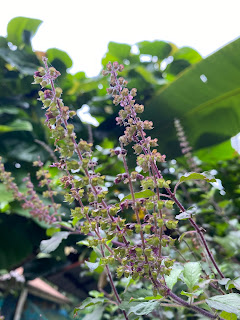
    Holy Basil or Tulsi

    Tulsi

    Also known as Holy Basil, this herb is revered for its numerous health benefits and sattvic quality. It is rejuvenating and uplifting for spring. It has an affinity for the lungs and respiratory system and promotes easy breathing. It is also light for the spirit, helping you feel a sense of peace and well-being and is an adaptogen, meaning it improves your resilience to stress. This is a wonderful herb for children as well, in lower doses to help come through the spring cold & flu season.

    How to Take: 

    • Balances Vata & Kapha
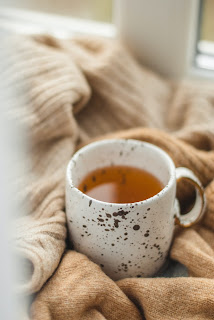
    • The dried or fresh leaves can be steeped in your herbal tea and sipped on, warm in the morning. Approximately 1/2 tsp per cup of boiling water. Can be added to your usual herbal tea or your Ayurvedic Am pachan tea.
    • Holy Basil is easily available in health food stores and even grocery stores as tea bags. 

    Trikatu

    This is a trio of heating spices: ginger, black pepper and pippali (long pepper). A Kapha-friendly combination, these spices help strengthen digestion which is turn promotes healthy elimination and metabolism. This also acts on parasites that may be lingering after travel and causing bloating. Trikatu also benefits the respiratory system and gets rid of mucus, congestion and overall winter sluggishness.

    How to Take: 

    • Balances Kapha & Vata
    • Add into soups, veggies or stir-frys like how you would add pepper or ginger powder to your cooking. Best taken with food.
    • Can also take a pinch in hot water with honey as a herbal drink in the morning for cleansing. Mix a pinch of trikatu with honey as a home remedy for coughs.

    Sitopaladi

    A traditional Ayurvedic formula made of pippali, cinnamon and cardamom which has an affinity for the respiratory system. It helps break up congestion in the lungs and sinuses. This is an excellent combination for clear breathing during spring blossom (allergy) season. It also tastes good!


    How to Take: 

    • Balances Kapha & Vata and Pitta (though increases in excess)
    • Can mix 1/4 tsp with ghee and take on the spoon in the morning.
    • Make a delicious Ayurvedic cinnamon toast with ghee and sprinkled sitopaladi.
    • Can also be taken as a herbal tea.

    These are just a few of the many herbs and spices that can support you this spring season. Some of the Ayurvedic formulas are not as commonly known here but are very beneficial and easy enough to find. Please keep in mind that quality is crucial for any kind of herbs so it is always important to buy from a reputable source or speak with your practitioner. Integrating spices and herbs into your dinacharya or daily routine can help you feel fresher, lighter and uplifted this spring!


    Dr. Leena Sripada, ND is a naturopathic doctor with extensive training in Ayurveda. She is based in Richmond Hill, Ontario and offers virtual consultations. Whether you have specific health concerns or just interested in staying healthy, Dr. Leena provides customized care integrating Ayurveda & naturopathic medicine. You can read more or book an appointment here: https://www.doctorleena.ca/contact


    Monday, 13 January 2020

    Water Element: is Yours in Balance?

    Water Element: is Yours in Balance?

    by Dr. Leena Athparia, ND

    When you think of water, what comes to mind? It may be a river or an ocean, or a glass of water. You may not immediately think of the 60-70% of water that makes up your body. According to Ayurveda, there are 5 elements that exist in nature and manifest in the plants, animals around us, and within our body: ether (space), air, fire, water and earth.

    In the winter and early spring when the climate is cool, damp and wet, kapha dosha (which is composed of the earth and water element) is dominant in the environment. Your surroundings impact your body, mind and emotions, so an imbalance in kapha can contribute to common concerns such as weight gain, fatigue, dullness or having trouble getting out of bed in the morning.

    Water element reflects the fluidity of movement and manifests as nourishment, growth and lubrication. Some examples of water element in your body are digestive fluids, mucous membrane secretions, plasma and lymphatic system. Water element cools, smoothens, moistens and softens tissues in the body.

    When your water element is in balance, weight is consistent, skin and mucous membranes are soft and moist, joints are well lubricated, emotions are stable and you feel connected to the people around you. When the water element is either too high or too low, this can lead to health issues. Read more to find out signs of excess or deficient water element.


    Signs of Excess Water Element

    When water element accumulates in your body you may gain weight or experience swelling around your ankles or other joints. Your hands may feel clammy, your skin may feel damp and sticky and you may experience increased urination. Excess water tends to put out your digestive fire so you may experience weak appetite, heaviness after meals, thick coating on your tongue and excess mucous. If you struggle with candida or yeast infections, it's likely that your water element is out of balance. Water element in excess can often indicate that there is an electrolyte imbalance, as electrolytes are responsible for the movement of water throughout the body. Emotions can also affect water levels. Water related to imbalanced water are attachment, fear of letting go, being guarded or excessively emotional, feeling lack of nurturing and relationships that are not flowing.

    Signs of Deficient Water Element

    What happens if you lack sufficient water? You can relate to this on a day that you don't drink enough water, for example, and feel thirsty, have a dry mouth, dry skin and eyes etc. In Ayurveda, this relates to 'rasa dhatu kshaya' or plasma deficiency. When plasma is well hydrated, your blood and lymph flows smoothly and all the tissues are well lubricated. Deficient water can also lead to health concerns such as dry joints, arthritis, lack of sweating, constipation and overall lack of nourishment in body, mind and emotions. Speak to your ND if you have some of these health concerns to help identify and treat the imbalance.


    Tips to Harmonize Water Element

    When imbalances are identified, it is easier to treat the root cause. Keeping your water element in balance, along with all other elements is the key to living a life that is harmonized and flowing. Here are some tips to try at home :

    • Exercise: helps unblock channels in the body. It allows the body to sweat, eliminate toxins and regulate water. Sun salutations in yoga are an excellent way to help harmonize the elements in your system and regulate excess water.
    • Hydration: often overlooked but be sure to not miss the obvious. Drink at least 8 glasses of pure water a day. In addition, hydrating herbal teas, coconut water and electrolytes can replenish deficient water element.
    • Diet: foods rich in water such as melons and squashes help you hydrate, while drying foods such as vegetable chips, dry fruit, black pepper and dry ginger powder help regulate excess water. Salty and sweet foods also tend to increase water element and can lead to concerns such as water retention. Each individual has a unique constitution so speak with your ND on which foods and herbs are best for you.
    • Lifestyle: if water element is deficient for you, keeping a water fountain or pictures of the ocean can bring this element back into your life. Swimming is another easy way to connect with water element. If water element is in excess, work with incorporating movement in your day, and finding healthy ways to express your emotions.

    According to Ayurveda, health is a balance between body, mind, spirit and environment. When you understand how nature influences your health, you can make subtle but powerful changes to harmonize the 5 elements within you and restore balance. Speak with Dr. Leena Athparia, ND if you would like an assessment to help you find out if your water element is in balance.


    Dr. Leena Athparia is a naturopathic doctor & Ayurvedic practitioner at Naturopathic Foundations with a focus in joint health and chronic disease. Please call the clinic at 905-940-2727 to book an appointment with Dr. Athparia.  

    Friday, 21 June 2019

    Natural "First Aid" Tips for Summer

    Dr. Leena Athparia, ND


    What's in your First Aid Kit? It's likely to have an assortment of bandages, gauze, gloves and the like for emergencies, but what about for the less critical injuries you might get while camping, hiking or for the kids spending time outdoors this summer?

    What do you use if you get a burn while cooking? Or a knee scrape while hiking? What do you use for kids' mosquito bites? While critical emergencies require a visit to the ER, most common injuries are minor and can be treated with natural remedies which have fewer side effects and are gentle but effective for speeding up recovery.

    Naturopathic first aid involves using naturopathic principles when treating acute concerns such as burns, bites, stings, rashes, strains and sprains etc. Naturopathic doctors use a variety of modalities to help heal naturally and effectively: botanical medicine, homeopathy, hydrotherapy, nutrition, laser and light therapy, TCM & acupuncture and counselling.

    Read more about the most common concerns and natural tips for your First Aid Kit. These remedies can be further customized by your Naturopathic Doctor depending on if you are camping or travelling or need a kit for kids.

    Burns 

    Too much fun in the sun (at peak time especially) can lead to sunburns. Children, those with sensitive skin, or on certain medications can be more prone to burning. To soothe irritated or peeling skin, use a natural aloe gel which is cooling and soothing for the skin or Manuka honey that you can apply directly to the affected area to help speed up healing. This applies for other kinds of burns such as in the kitchen. While outdoors, protect yourself from strong sunlight by wearing a hat or thin, cotton clothing that protects the skin.

    Bites

    Insect bites from mosquitos, black flies, bees or spiders are inevitable if you spend time outdoors. Bites are not only itchy, painful and irritating, but can also transmit infectious disease. Prevent yourself by being bitten in the first place by wearing appropriate clothing that provides a barrier for bites and using natural bug repellants made of essential oils such as citronella. It is not just a myth that mosquitos are attracted to "sweet" blood. When you eat a diet high in sweet (bananas, juice, sugar), you become a palatable target. Increase bitter foods such as leafy greens and consider supplementing with neem capsules which are blood cleansing. Speak to your ND about essential oils for bites and natural homeopathic pellets or creams for after-bites such Apis.


    Cuts & Scrapes

    Minor wounds to the skin such as cuts and scrapes disrupt the barrier and can lead to infections and scarring if not treated properly. Your natural first aid kit should contain a herbal antiseptic cream to apply to injured skin to disinfect the area. Some examples are creams that contain calendula, neem oil, tea tree oilyarrow and comfrey. Other creams such as vitamin E cream or aloe are very beneficial to promote skin healing and reduce scarring. Essential for moms to keep on hand for active kids!

    Bumps & Bruises

    A must-have for everyone in their natural first-aid kit for any injury or trauma is Arnica. This well known herb appears in many formats such as creams, gels, oils and homeopathics. This herb is well known for healing bruisesand speeding up any injury. Homeopathic arnica can be used in creams or taken orally to help with any physical or emotional shock. In addition for injuries, lymphatic creams are handy to help with reducing swelling as are anti-inflammatory supplements which may contain herbs such as turmeric or boswelia. Speak to your ND to learn more about which anti-inflammatories would be good for you.


    Putting together a natural first-aid kit can be fun and very handy to keep on hand this summer. Most of these suggestions are safe to use alongside with other conventional treatments. When you are empowered with knowledge, you can be more equipped to help yourself and family members with minor injuries to speed up healing. At Naturopathic Foundations Health Clinic, we accept walk-ins for acute naturopathic care for concerns such as sprains & strains, skin reactions, bites, scrapes, hives and other conditions. You don't need to be a patient of the clinic to use these services. Read more about naturopathic walk-in services.


    Dr. Leena Athparia is a naturopathic doctor & Ayurvedic practitioner at Naturopathic Foundations with a focus in joint health, pain and chronic disease. If you are healthy and looking into preventing disease or learning more about your constitution, Dr. Athparia can help you. Please call the clinic at 905-940-2727 to book an appointment.

    Saturday, 18 May 2019

    An Ayurvedic Approach to Detox - Part 2

    by Dr. Leena Athparia, ND

    In part 1 of 'An Ayurvedic Approach to Detox', we explored the routes of toxin elimination, the concept of agni and ama and the three types of Ayurvedic detoxification. In part 2, we will explore the deeper aspects of Ayurvedic detoxification known as panchakarma.


    To Detox or Not?

    Everyone has heard about detoxification and most people are keen to do it. We all want to get rid of waste in the body, right? Before you jump into a cleanse, you need to ask yourself a few questions to ensure that it is appropriate for you.

    • Are you able to take time off - from work or activities? You need to focus your energy on internal healing. Overtaxing yourself will distract you from the real detoxing activities.
    • Is your body strong enough? Cleansing means hard work for your body and when toxins move, it can temporarily increase the burden on your body. If you have chronic conditions, fatigue or chronic stress your body may be in survival mode which won't allow deep healing to happen.
    • Do you have emotional support? Cleansing can make your more tired, irritable or overwhelmed as your body eliminates. Ensure you have support to keep you motivated and on track.

    Ama - Toxic Load

    If you are cleared for a detox, based on the amount of toxic burden in your body, a cleansing program can be outlined by your Ayurvedic practitioner. There are many questionnaires that can help you assess such as the Ama Detox Questionnaire.

    When the vata, pitta and kapha go out of balance in your system, and your digestive fire is dampened, toxic waste known in Ayurveda as ama, builds up in the GI tract. When it overflows, it enters the bloodstream, clogs the channels and deposits in the joints, muscles, organs and settles deeper in the tissues etc. It can manifest as symptoms of brain fog, fatigue, body odour, constipation, lack of clarity or mood imbalances. An easy way to check if you have high levels of ama in your body is by checking your tongue when you wake up for a thick white/grey/yellow coating. If you have this coating, it indicates that there are toxins in your digestive tract. This is common in people with candida infections, chronic antibiotic use or diabetes.

    Once ama accumulation becomes chronic, a more thorough detox is needed to dislodge toxins from the tissues and move them out through the channels of elimination (bowels, skin, kidneys, etc.). This is the basis of panchakarma or Ayurvedic detox, a thorough Ayurvedic detox program.

    What is Panchakarma?

    Traditional panchakarma treatment is an intensive detox which generally lasts 3 weeks in a residential setting where you experience a variety of treatments such as abhyanga, herbal regimens tailored to your body type, and specific diet or fasting under supervision of Ayurvedic doctors. In this process, doshas are provoked to expel toxins which can initially amplify symptoms before they subside. For example if you have sinus congestion, you may temporarily experience increased mucus, or if you have digestive issues, you may experience diarrhea. This is your body's way of speeding up elimination of toxins but must be done under supervision to ensure your body is working in the right direction.

    Traditional panchakarma requires specific facilities in a residential setting, very strict diet and lifestyle guidelines and commitment to travel to a centre in India or abroad for several weeks. You are in full-time treatment with a specific routine of waking up and sleeping, timed medicine throughout the day, customized plant-based meals, bodywork therapies and supervision with Ayurvedic doctors to tailor your program each day. There is often a preparation phase a few weeks before and a long term plan for several months after panchakarma. While this is very therapeutic to help reverse chronic diseases and remove deep seated toxins, it becomes challenging for most people in the modern lifestyle to commit to this kind of detox. (You can read more about my personal detox experience in an Ayurvedic centre in India here.)

    Many of the systematic panchakarma therapies can be incorporated into simplified detox programs of 1 week or 1 month, tailored to your constitution and health concerns. These therapies include diet and herbs or supplements individualized to your condition and constitution by your Ayurvedic practitioner, along with Ayurvedic therapies such as:


    These treatments are most effective when several therapies are done in close succession (once a day for 3, 5, 7 days or once a week during detox) along with a specific diet and an environment at home to support healing. These treatments are offered in the clinic or as self-care therapies under guidance by your Ayurvedic practitioner. Spring and fall are generally the best seasons for panchakarma. If you are interested in an Ayurvedic detox, speak to Dr. Leena Athparia, ND on what treatment plans can be customized for you with panchakarma therapies.


    Dr. Leena Athparia is a Naturopathic doctor & Ayurvedic practitioner at Naturopathic Foundations with a focus on joint health, pain and chronic disease. If you are healthy and looking into preventing disease or learning more about your constitution, Dr. Athparia can help you. Please call the clinic at 905-940-2727 to book an appointment.

    Monday, 6 May 2019

    Breathe Better with Self Care Techniques

    By Dr. Leena Athparia, ND


    How often do you tune into your own breathing? Have you noticed that your breathing changes depending on what you are doing and how you are feeling - happy, angry, excited? Are you breathing more through your right or left nostril? Shallow or deep?

    Breathing involves more than just providing oxygen to the lungs; it provides qi or prana (life force) to your entire system and is a bridge between the body, mind and consciousness. From the moment you are born, until your last breath, breathing is an automatic activity that goes on continuously whether you are aware of it or not. The more you can bring it into your awareness, the more you can pick up on cues that your body is telling you. For example, if your nose is always stuffy after meals, it could indicate that you have sensitivities to certain foods or that digestion is sluggish. If your breathing is often shallow and rapid, this could be a reflection of tension in your body and mind.

    The quality of your breathing determines your quality of life. Here are some self-care techniques that you can incorporate into your daily routine to help you breathe better. These can be adjusted based on your state of health, climate and current concerns.


    Self Care Tips for Breathing


    Neti Pot

    Neti, which means "nasal cleansing", is an Ayurvedic technique that dates back to ancient India and was used by yogis to improve breathing. This is a daily cleansing routine that involves gently irrigating the nose and sinuses with warm saline water to help flush out excess mucous, dust particles and waste from the sinuses. It can reduce congestion, prevent colds, reduce dryness and open up your breathing. Neti practice can be done in the morning, daily or weekly and can be customized with antimicrobial herbs, homeopathics and even probiotics to help restore balance in the sinuses. If the neti pot intimidates you, or if have never tried neti pot, your ND can show you how to do it safely and effectively.

    Nebulizer

    For individuals who suffer from lung concerns such as chronic cough, sinusitis, COPD, mucous in the chest and asthma, the nebulizer is a tool to help deliver medicine directly to the lungs through inhalation. Glutathione is used in the nebulizer and is considered the best antioxidant to quench free radicals, increase immune function and decrease mucous in the respiratory tract. Glutathione is absorbed best through nebulized form or IV. Homeopathic remedies can be added to the nebulizer to relieve specific symptoms. This is a treatment that is done in clinic initially under supervision by your naturopathic doctor, and can then be done at home. It is painless, easy to administer and can be done even for children to open up the respiratory tract.

    Steam Inhalation

    One of the most popular DIY treatments for colds and coughs is steam inhalations. To do a steam inhalation, boil water, place into a bowl and sit with a towel over your head and inhale the steam through the nostrils for 5+ minutes. Warm steam helps relax breathing muscles, opens the bronchioles, lubricates the mucous membranes and loosens phlegm. Adding additional essential oils, such as eucalyptus, camphor or pine, can enhance the therapeutic effect. A short cut version can be done in the shower by applying a few drops of diluted essential oil into the tub and inhaling the steam in the shower in the morning. Essential oils can be customized based on your concerns. Oils with antimicrobial properties, such as tea tree, are good for fighting infections, and oils, such as camphor and eucalyptus, help open up breathing. In the clinic there are a variety of specific blends that can be used for infections, sinus issues and other respiratory issues. An add-on to the steam inhalation is the Ayurvedic nasya treatment which involves applying warm oil to the nasal passage and is often preceded or followed by steam inhalation to enhance the effect. Read more about nasya here.

    Pranayam 

    Exercises to help breathing are not a new concept. In the eastern traditions of yoga, Ayurveda and martial arts, specific techniques were refined over thousands of years to harmonize prana or qi and direct life energy to specific areas. This mastery over the breath is called pranayam. Alternate nostril breathing is one of these techniques which has become popularized and has been studied to reduce anxiety, promote mental clarity and much more. Increased energy, clarity, balanced breathing are some of the benefits. Pranayam can be practised by anyone, including children. If you can incorporate a minimum of 5 minutes in your daily routine to dedicate to bringing awareness to your breathing, the quality of your health will reflect the investment in your health. You can learn pranayam through many yoga or meditations instructors, or learn on your own with videos such as this one: Nadi Shuddhi

    By paying more attention to your breathing and incorporating these tips, you can experience better breathing. If you have questions on your breathing, your ND can do an assessment and customize treatments and self-care techniques that you can do at home. Self care is the basis of a healthy lifestyle and the investment in wellness.


    Dr. Leena Athparia is a naturopathic doctor & Ayurvedic practitioner at Naturopathic Foundations with a focus in joint health, pain and chronic disease. If you are healthy and looking into preventing disease or learning more about your constitution, Dr. Athparia can help you. Please call the clinic at 905-940-2727 to book an appointment.

    Saturday, 4 May 2019

    An Ayurvedic Approach to Detox - Part 1

    by Dr. Leena Athparia, ND

    If we were to oversimplify what health is, there are essentially two aspects you need to address: your building blocks and nutrients and your ability to eliminate.

    According to Ayurveda, just like in naturopathic medicine, eliminating toxins is a foundation to building good health. There are many routes of elimination known as emunctories through which toxins flow out of the body. This process is also known as 'drainage'. In Ayurveda there is an extensive understanding of how things move through the body.  Waste material or malas are eliminated through the srotas or channels.

    The major routes of elimination are:

    • bowels
    • urination
    • sweating
    • breathing
    • menses
    • voice
    • movement

    When toxins build up and the routes of elimination are clogged, disease starts to manifest. Exposure to toxins can come from food, environment, body products, hormones, internal metabolites and stress. When your system is healthy, your body is able to detoxify efficiently. Read more about factors that affect an individual's ability to eliminate toxins here. Many supplements support detoxification but unfortunately often only recirculate toxins within the body. You need to work with your naturopathic doctor to ensure that toxins are released through the routes of elimination. For example a heavy metal detox supplement that you pick up in the health food store may help remove heavy metals in certain organs but unless there is something that binds it and pulls it out of the body,  it may only deposit in a different area of the body.

    Ayurvedic Detox or Shodhana 


    There are essentially 3 categories of Ayurvedic treatments:
    • Rasayana: Rejuvenation and wellness maintenance. This is done to prevent disease and slow down the aging process.
    • Samana: Dosha balancing treatments. This is done when disease is mild to moderate and focuses on pacifying vata, pitta and kapha.
    • Shodhana: Cleansing therapies. This approach is done to drive disease out of the body by 'provoking the doshas'. (An example would be naysa therapy to provoke Kapha out of the sinuses. If you have done this treatment, initially you may feel more congested because Kapha dosha is being provoked, but once congestion clears up, you feel light.)

    Many detox treatments in naturopathic medicine and Ayurveda are designed to 'shake up' and expel waste from the body and mind. Shodhana is the basis of panchakarma or 5 -fold detox in Ayurvedic medicine where imbalances are methodically stirred up and driven out of the body. When the body responds it is not always in ways that are always comfortable or pleasant. This is always done under supervision with customized treatments since everyone has a different pattern of imbalance. A typical example in the naturopathic setting might be loose stools or vomiting during a cleanse, or experiencing skin reactions. So before you panic next time you start a new treatment plan, check with your naturopathic doctor with what to watch for. If you block a natural route of elimination - let's say you pop an anti-vomiting pill or an anti-diarrhea pill - you may be hampering what the body is trying to eliminate. So understanding the routes of elimination can help you appreciate how the body is working for you instead of against you.

    Depending how imbalanced you are, detox reactions may be absent, mild or stronger. Your ability to process and expel toxins is related to another concept that is prevalent in Ayurvedic medicine: agni & ama.


    The Interplay of Agni & Ama


    Another key concept in Ayurveda is agni which literally means 'fire' in Sanskrit. Agni is essentially your digestive fire or your ability to break down and transform nutrients while burning off waste products. While digestion is important to provide nutrients that the body can use, elimination of waste is equally as important to stay healthy. For example, if you are eating very healthy meals 3 times a day, but only have one bowel movement, no matter how good your food is, it can become toxic while it ferments in your gut. According to Ayurveda, waste material that your body can neither break down and use nor excrete is called ama or toxins. When your body accumulates ama, it becomes a breeding ground for disease such as cancer, obesity, heart attacks etc. When ama builds up, it can clog the channels in the body where nutrients aren't able to get absorbed properly and waste is unable to move out efficiently. A common example of ama translated into western medicine would be Candida or yeast infections, where the body becomes a breeding ground for yeast due to stress, sugar intake and other factors.

    Agni not only applies to the principle of processing food, but also applies to how you process experiences, memories, emotions and sensory impressions. As we need to digest our food, we also need to 'digest' our daily experiences.

    Signs of elevated ama or toxic waste:

    • Thick coating on your tongue
    • Excessive body odour
    • Poor digestion or constipation
    • Lack of appetite
    • Frequent colds
    • Brain "fog"
    • Fatigue and lethargy
    • Heaviness or congestion
    • Lack of clarity and confidence
    Accumulation of ama leads to imbalance and diseases, so it is crucial to cleanse ama on all levels. This can be done by unblocking the pathways of elimination while increasing agni. Many people who are new to Ayurveda and take dosha quizzes will find many tips to help balance their dosha (vata, pitta, kapha). While many of these suggestions are effective, dosha balancing can only work well if agni is balanced, so it is crucial that agni is addressed.

    Ama in the first stage, tends to accumulate in the digestive tract. When it's identified at this point, it is easier to treat with diet, spices, herbs and lifestyle practices. Once it moves in the body and settles deeper into the tissues, more thorough cleansing is required. The main goal in any detox program is opening the routes of elimination and stirring up toxins so that they can be driven out of the body. We will explore Panchakarma in Part 2 next month.

    Dr. Leena Athparia is a Naturopathic doctor & Ayurvedic practitioner at Naturopathic Foundations with a focus on joint health, pain and chronic disease. If you are healthy and looking into preventing disease or learning more about your constitution, Dr. Athparia can help you. Please call the clinic at 905-940-2727 to book an appointment.